

The growing importance of mechanized shelling is closely connected with changes in farm management. During harvest season, maize often needs to be processed within a limited time. Manual shelling requires substantial labor and can become a bottleneck when harvested volumes increase. A well-matched Corn Sheller allows operators to separate kernels from cobs continuously, creating a more organized workflow between harvesting, drying, cleaning, storage, and downstream processing. For small and medium-sized farms, this can improve labor use without requiring a complex processing line.
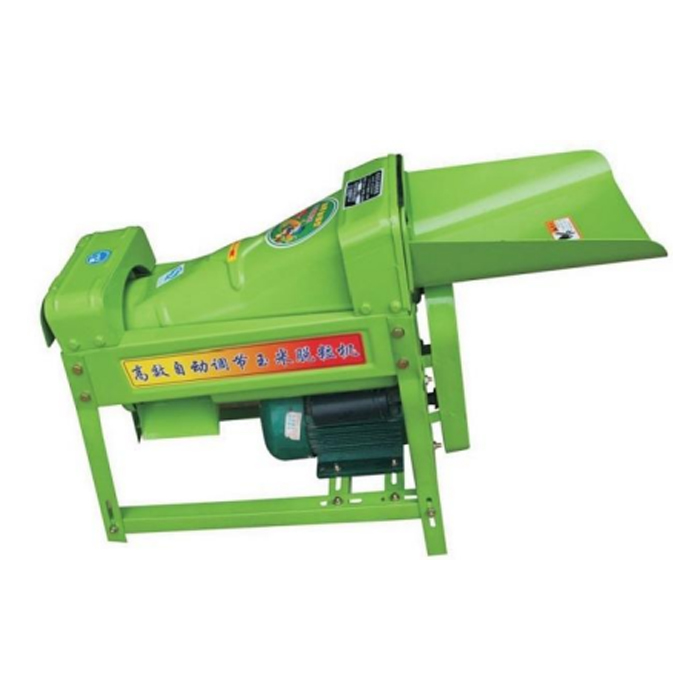
Another important development is the increasing focus on shelling quality rather than speed alone. Buyers are paying more attention to kernel breakage, incomplete shelling, residue levels, and equipment stability. Excessive impact during shelling may reduce the commercial appearance of grain and create more broken material that must be separated later. Manufacturers are therefore refining drum structures, feeding systems, screening components, and transmission designs to achieve a better balance between throughput and grain protection. Consistent feeding is also important because uneven loading can affect shelling performance and increase wear.
Flexibility is becoming a stronger purchasing consideration as well. Corn is produced under different field conditions, moisture levels, farm sizes, and operating environments, so one machine configuration cannot meet every requirement. Stationary models are practical where harvested corn is transported to a fixed processing point, while mobile or towable units can provide greater convenience for farms working across larger areas. Electric-powered machines may suit locations with reliable electricity, while other power configurations can be useful where field operation is more important.
Maintenance and ease of operation are equally relevant to long-term productivity. Agricultural equipment is frequently used in dusty environments and under concentrated seasonal workloads. Simple access to wearing parts, secure protective covers, stable bearings, and straightforward cleaning procedures can reduce downtime during peak periods. Operators also benefit from routine inspection of belts, fasteners, rotating components, and screens before continuous operation. Good maintenance supports stable output and helps extend machine service life.
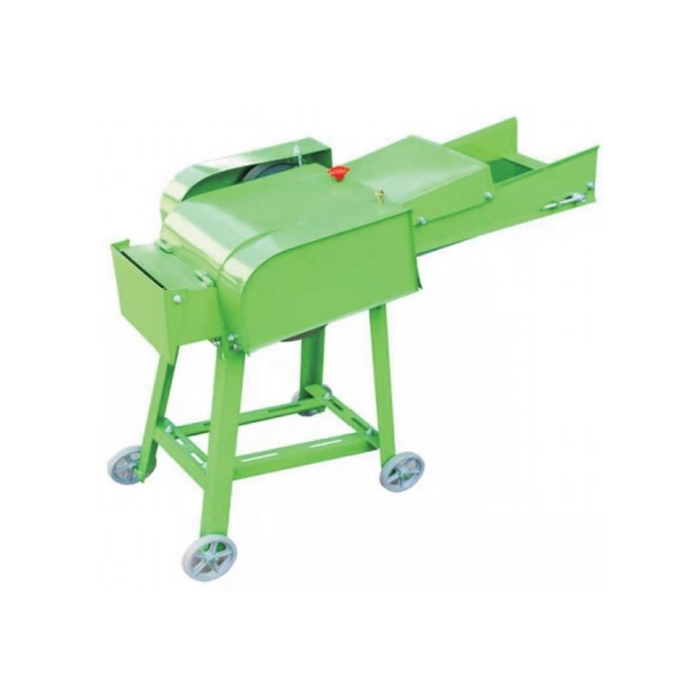
Safety is receiving more attention as mechanization spreads among smaller farms and family-operated businesses. Protective guarding around rotating parts, stable machine placement, proper power connection, and controlled feeding all contribute to safer daily use. Equipment that is easy to understand and operate can also reduce mistakes during busy harvesting periods.
The role of the Corn Sheller is also expanding within integrated farm processing. Shelled maize can move directly into cleaning, crushing, feed preparation, or storage, making the sheller an important link between harvesting and value-added utilization. For livestock farms, efficient shelling can support later feed crushing or pellet production. For grain traders and local processors, faster separation and cleaner output can simplify handling and improve daily processing efficiency.
Looking ahead, the corn shelling equipment market is likely to place greater emphasis on practical efficiency, durability, operator safety, and adaptable configurations. Rather than pursuing capacity alone, users are increasingly evaluating whether a machine fits their crop volume, power conditions, maintenance capability, and final grain-use requirements.
For agricultural machinery manufacturers such as Hunan Nongle Machinery Co., Ltd., this shift creates opportunities to develop Corn Sheller solutions that respond to real farm conditions. By focusing on reliable mechanical performance, convenient operation, and application-oriented design, corn shelling equipment can continue to support more efficient post-harvest processing and help farms build smoother, more productive maize-handling systems.