

Traditional forage preparation often requires significant time and physical effort, especially in regions where livestock farms rely on hay, straw, and other fibrous crops as important feed sources. Manual cutting methods can create inconsistent forage lengths and limit processing capacity during busy farming periods. A reliable Hay Cutter provides a practical solution by quickly cutting long forage materials into suitable sizes, making them easier to mix, store, transport, and consume by livestock.
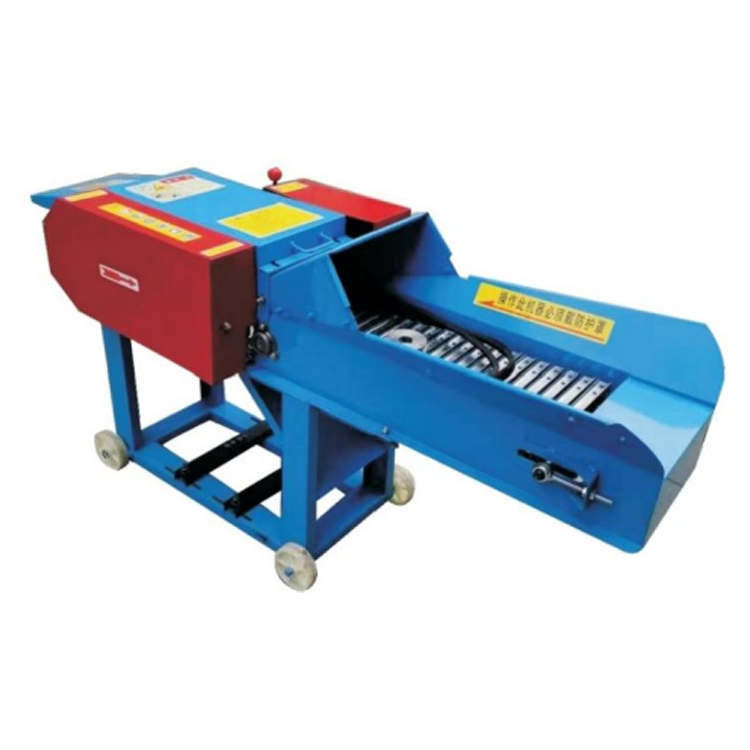
One of the main advantages of modern hay cutting machines is improved processing consistency. Uniform forage length is important for animal feeding because it helps improve feed mixing performance and reduces material waste. When hay or straw is processed into more manageable sizes, livestock can consume feed more efficiently, while farmers can achieve better control over feed preparation. This is particularly valuable for dairy farms, cattle farms, sheep farms, and other operations that require stable daily feed supplies.
The development of agricultural mechanization has also changed expectations for forage equipment. Farmers are no longer looking only for machines that increase cutting speed; they are also considering durability, energy efficiency, ease of operation, and maintenance requirements. Modern Hay Cutter designs typically focus on stable cutting structures, optimized blade systems, reliable transmission components, and convenient operation methods. These improvements allow equipment to maintain consistent performance under continuous working conditions.
Another important trend in the forage equipment market is the growing attention to sustainable agricultural practices. Efficient use of crop residues such as straw and hay can help reduce agricultural waste while creating additional value for livestock production. By processing these materials effectively, farms can transform available biomass resources into useful feed materials. This approach supports more circular farming systems and helps improve overall production efficiency.
Different farming environments also create diverse requirements for hay cutting equipment. Small and medium-sized farms may prioritize compact machines that are easy to operate and suitable for flexible production needs. Larger livestock operations may require equipment with higher processing capacity and stronger continuous working capability. Manufacturers are responding to these demands by developing solutions that balance performance, practicality, and adaptability across different agricultural scenarios.
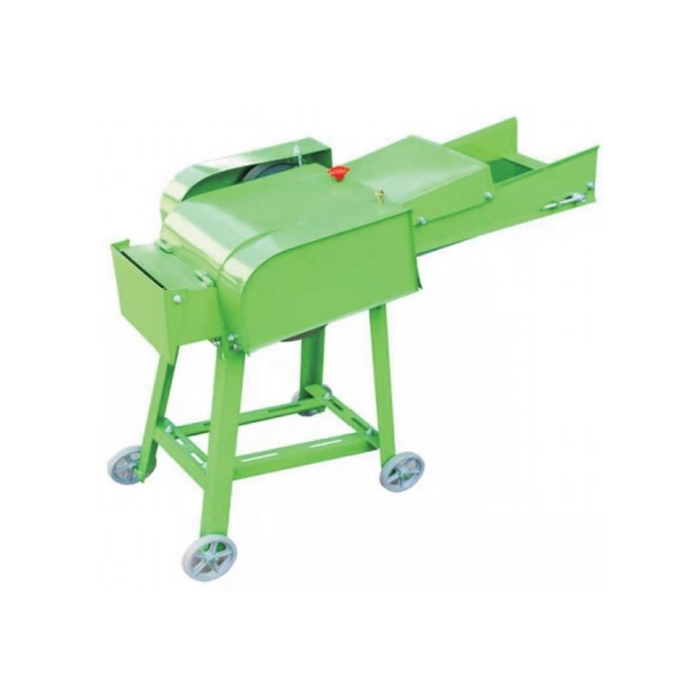
Safety and maintenance are also important considerations for long-term equipment operation. Since forage processing usually takes place in dusty farm environments, machine protection, component quality, and simple maintenance procedures directly influence service life. Regular inspection of blades, drive systems, and other key parts can help maintain stable cutting performance and reduce unexpected downtime during important feeding periods.
The application of Hay Cutter equipment extends beyond simple forage cutting. In modern livestock production systems, it works as a supporting link between crop production and animal nutrition management. Efficient forage processing can improve workflow efficiency, support feed preparation, and help farmers manage resources more effectively. As farms continue to seek practical ways to improve productivity, forage machinery will remain an essential part of agricultural modernization.
Looking ahead, the global market for agricultural machinery is expected to continue moving toward smarter, more efficient, and more user-friendly equipment solutions. For livestock producers, selecting suitable hay processing equipment can contribute to improved operational efficiency and more stable feed management.
For agricultural machinery manufacturers such as Hunan Nongle Machinery Co., Ltd., continuous focus on equipment reliability, practical design, and customer application needs is essential for serving international agricultural markets. With the increasing demand for efficient forage processing solutions, Hay Cutter technology will continue to support farms in achieving more productive and sustainable livestock operations.