

A prominent advantage of modern feed pellet machines lies in precision mechanical design that maintains consistent pellet quality amid variable raw material conditions. Advanced pelletizing systems stabilize compression pressure and conditioning temperature to improve nutrient digestibility while controlling powder waste. Optimised ring die or flat die structure, wear-resistant roller assemblies and scientific feeding channels help achieve uniform pellet size and stable Pellet Durability Index. This reliable processing performance allows producers to utilise diversified raw materials including grain meal, forage and agricultural by-products without sacrificing finished feed consistency. Farmers gain better control over feed formulas and reduce selective feeding by livestock, effectively lifting feed conversion efficiency.
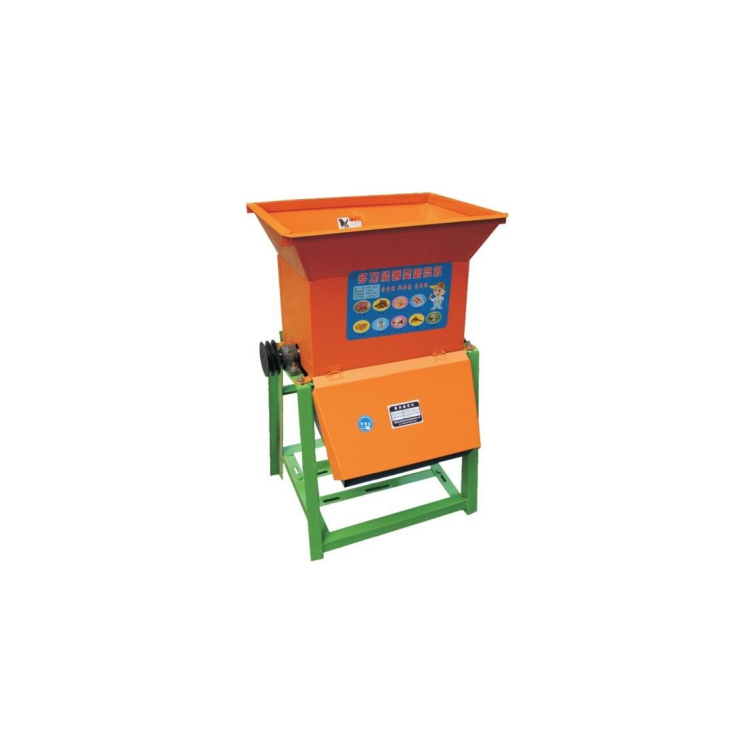
Operational durability and adaptability to harsh production environments are equally essential. Feed pellet machines must endure long-hour continuous operation, abrasive raw materials, dust and frequent formula switching throughout the service cycle. Thickened alloy steel frames, anti-wear surface treatment and sealed transmission systems lower downtime under heavy workloads. Robust core components protect stable running whether deployed in open-air small farms or closed industrial feed workshops. By embedding durability into equipment design, machinery suppliers cut maintenance frequency, extend service life and avoid production interruptions caused by worn consumable parts during peak breeding seasons.
Strict quality control and standardized performance verification lay the foundation for reliable equipment manufacturing. Leading machinery suppliers carry out comprehensive testing including continuous running trials, load testing and finished pellet quality inspection to meet international agricultural equipment standards. Precision CNC machining for dies, rollers and transmission parts guarantees stable performance among mass-produced units. Complete records of technical parameters, test reports and after-sales service schemes simplify equipment inspection for buyers and support purchasing decisions for breeders and feed factories that demand stable, auditable processing performance.
Cross-equipment compatibility and universal industry specifications strengthen the whole feed processing ecosystem. Compatibility with matching crushers, mixers and cooling equipment enables seamless assembly of complete feed production lines from multiple equipment vendors. Unified mounting dimensions and interchangeable wearing parts shorten equipment upgrade cycles, reduce operational risks and improve supply chain flexibility amid fluctuating market demands. Farm engineers can select scalable modular units matching production targets, accelerating the construction of new breeding projects while retaining compatibility with existing auxiliary equipment.
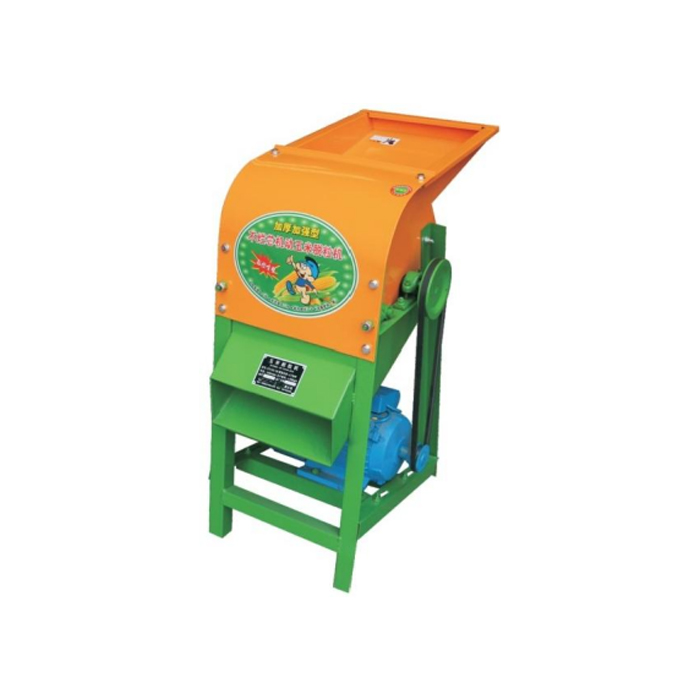
Diversified farming sectors demonstrate the wide application value of such processing devices. In poultry and pig breeding, steady pellet production improves feeding efficiency and reduces feed loss during storage and transportation. For ruminant farms raising cattle, sheep and goats, the machines process forage and grain mixtures into high-nutrient compound feed. Aquaculture and pet feed manufacturers rely on adjustable-die equipment to produce feed particles with targeted diameters. Across all breeding categories, feed pellet machines serve as vital processing infrastructure, supporting standardized feed production and stable growth of breeding benefits.
Looking ahead, the feed processing equipment industry will advance alongside energy-saving innovation, intelligent control technology and modular manufacturing. Breakthroughs in high-wear alloy materials, variable frequency drive systems and automatic monitoring modules will further optimise energy efficiency during long-time running. Optimised modular layouts and fast die replacement mechanisms support frequent formula switching while maintaining stable pellet quality. For enterprises building next-generation feed processing lines, cooperating with a reputable equipment supplier delivers more than finished machinery; it provides professional layout consultation, operation training and clear technical roadmaps for scalable, low-consumption feed production solutions.
Operators aiming to build cost-effective, future-proof breeding systems with stable feed output can gain advantages by partnering with an experienced manufacturer. In-depth technical cooperation ensures every production link reaches strict standards for efficiency, stability and long-term return on investment throughout the whole farm operation cycle.