

In the dynamic and ever - growing realm of modern agriculture, feed crushers have emerged as indispensable workhorses, revolutionizing the way livestock feed is processed and propelling the industry towards greater efficiency and sustainability. As the global demand for animal products continues to surge, the role of feed crushers in optimizing feed production has become more crucial than ever.
At the core of the significance of feed crushers lies their ability to transform raw materials into finely - ground, nutritious feed. By crushing grains, straws, and other feedstuffs, these machines increase the surface area of the feed, facilitating better digestion and nutrient absorption in livestock. This not only enhances the health and growth rate of animals but also improves feed conversion efficiency, reducing the overall cost of livestock farming. For example, in poultry farming, crushed feed ensures that chicks can easily consume and digest the nutrients, leading to faster growth and higher - quality meat and eggs.
Modern feed crushers are equipped with advanced technologies that offer a plethora of benefits. Many models feature adjustable crushing settings, allowing farmers to customize the particle size of the feed according to the specific needs of different livestock species. This flexibility ensures that each animal receives the most suitable feed, optimizing their performance. Additionally, the integration of high - speed rotating blades and efficient motors enables rapid and uniform crushing, significantly increasing production capacity. Some state - of - the - art feed crushers also come with built - in dust - collection systems, which not only improve the working environment by reducing airborne particles but also prevent the loss of valuable feed material.
Durability and ease of maintenance are other key attributes that make feed crushers highly sought - after in the agricultural market. Constructed from robust materials such as stainless steel and high - grade alloys, these machines can withstand the rigors of continuous operation in demanding farm environments. Their modular designs make it easy for farmers to replace worn - out parts, minimizing downtime and ensuring uninterrupted feed production. Moreover, user - friendly interfaces and intuitive control panels simplify the operation process, making it accessible even to those with limited technical expertise.
In the market, several outstanding feed crusher models have made a mark. The [Model A] is renowned for its high - efficiency crushing capabilities and low energy consumption, making it an ideal choice for small - to medium - sized farms. Its compact design also saves valuable space in barns and feed storage areas. The [Model B], on the other hand, stands out with its large - capacity hopper and automated feeding system, which can handle large volumes of raw materials, catering to the needs of large - scale commercial farms. These successful products have set industry benchmarks, inspiring continuous innovation and improvement among manufacturers.
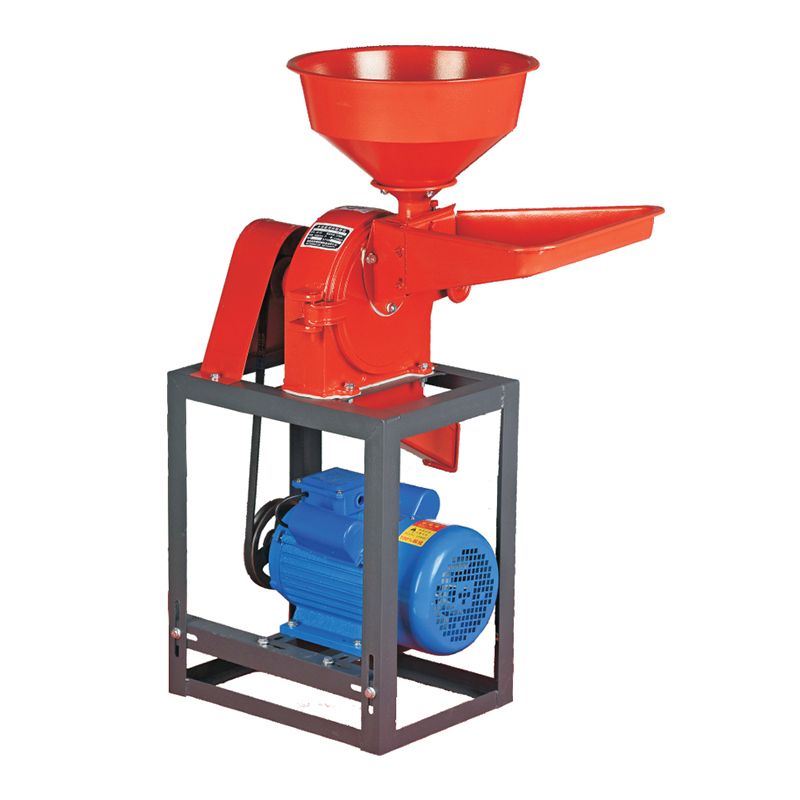
Looking ahead, the future of feed crushers is filled with promise. As the agricultural industry moves towards more sustainable and intelligent farming practices, there will be a growing demand for feed crushers that are not only energy - efficient but also compatible with renewable energy sources. The integration of smart sensors and Internet of Things (IoT) technology may enable real - time monitoring of machine performance, predictive maintenance, and optimization of the crushing process. Additionally, with the increasing focus on organic and specialized livestock feed, feed crushers will need to adapt to handle a wider variety of raw materials, further expanding their application scope.
In conclusion, feed crushers have become an essential pillar of modern livestock farming. Their ability to enhance feed quality, improve efficiency, and support sustainable practices makes them invaluable assets to farmers worldwide. As technology continues to evolve, feed crushers will undoubtedly play an even more significant role in shaping the future of agriculture, ensuring a stable supply of high - quality animal products for a growing global population.